English
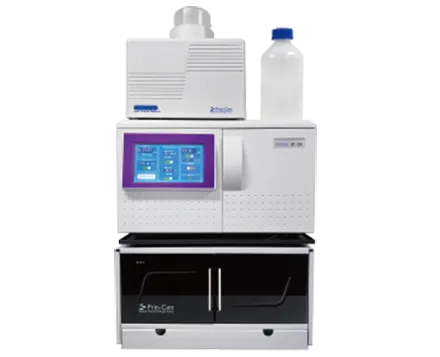
A combustion IC system combines high-temperature combustion technology with ion chromatography to accurately measure halogens, sulfur, and other ion-forming elements in complex materials. By converting difficult-to-analyze compounds into measurable ionic species before chromatographic detection, this technology provides laboratories with higher sensitivity, better automation, and more reliable results compared with traditional digestion-based methods.
Prin-Cen Scientific develops advanced analytical instruments designed for trace and ultra-trace analysis at ng–pg levels. Its combustion ion chromatography solutions help researchers and industrial laboratories analyze challenging samples, including polymers, fuels, chemicals, electronic materials, and environmental samples, with improved efficiency and accuracy.
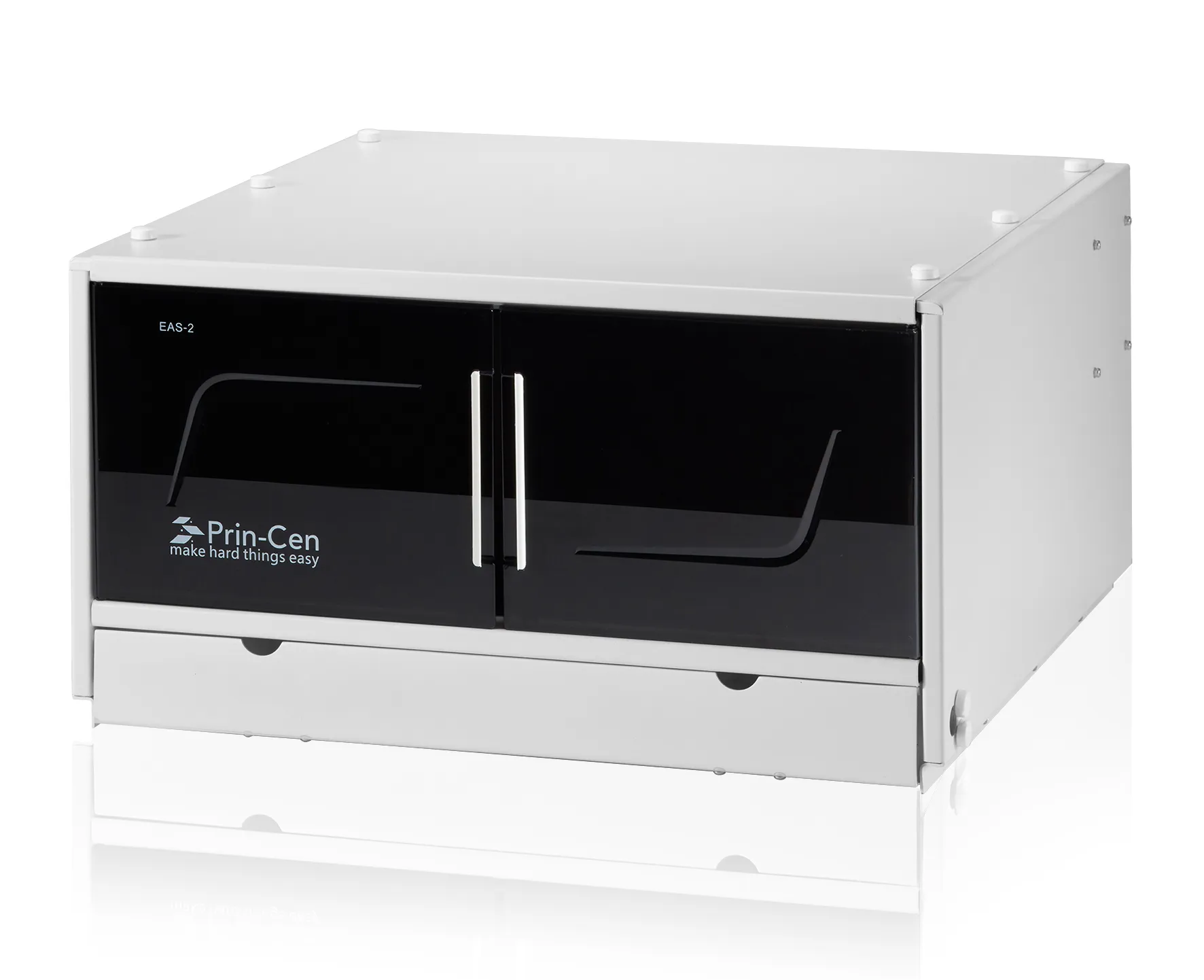
A combustion IC system is an analytical platform that integrates combustion decomposition with ion chromatography analysis. It is designed to analyze elements such as fluorine, chlorine, bromine, iodine, and sulfur that are often difficult to measure directly because they are bound within organic or inorganic matrices.
The working process typically includes four main steps:
The sample is introduced into a combustion unit where controlled oxidation occurs at high temperatures. During this process, target elements are converted into gaseous compounds.
For example:
Organic fluorine → hydrogen fluoride (HF)
Organic chlorine → hydrochloric acid (HCl)
Sulfur compounds → sulfur dioxide (SO₂) or sulfate forms
The combustion gases are captured in an absorption solution, converting them into ionic forms suitable for chromatographic measurement.
The generated ions are separated through an ion-exchange column according to their chemical properties.
The separated ions are detected and quantified, providing accurate elemental concentration information.
This combination of combustion preparation and ion chromatography allows laboratories to analyze samples that cannot be effectively tested using conventional IC methods alone.
Many industrial materials contain halogens or sulfur compounds at extremely low concentrations. Even trace amounts can influence product performance, environmental impact, and regulatory compliance.
A modern combustion IC solution helps overcome several analytical challenges:
Traditional ion chromatography generally requires ions to already exist in solution. However, many samples contain elements chemically bonded within complex structures.
Combustion conversion releases these elements into detectable ionic forms, enabling more complete analysis.
Materials such as plastics, polymers, fuels, and electronic components often require special preparation methods. Combustion-based analysis simplifies sample processing while reducing preparation errors.
Automated combustion processes provide controlled oxidation conditions, reducing variations caused by manual preparation.
This makes IC combustion technology particularly valuable for laboratories requiring consistent results across large sample quantities.
The application range of a combustion IC system continues to expand as industries demand more accurate elemental analysis.
Manufacturers use combustion ion chromatography to determine halogen content in:
Plastic materials
Flame retardant products
Cable insulation materials
Polymer compounds
Accurate halogen analysis helps ensure compliance with environmental regulations and material safety requirements.
Electronic products require strict control of ionic contaminants. Combustion IC analysis supports testing of:
Printed circuit boards
Electronic components
High-purity materials
It helps manufacturers monitor potentially harmful halogen elements that may affect reliability.
Fuel samples often contain sulfur compounds that require accurate measurement. Combustion ion chromatography provides an effective method for sulfur analysis in:
Petroleum products
Biofuels
Chemical fuels
Environmental laboratories use combustion-based methods to evaluate halogen-containing pollutants and other trace components in complex samples.
Prin-Cen Scientific provides analytical solutions supporting advanced applications including trace analysis, elemental speciation, and complex matrix testing.
Selecting the right combustion ion chromatography platform requires consideration of analytical goals, sample types, and workflow requirements.
Laboratories should evaluate:
Detection limits
Measurement stability
Recovery rate
Repeatability
For trace and ultra-trace applications, instrument sensitivity and system reliability are critical factors.
Manual combustion procedures can introduce operational differences. Automated systems improve:
Sample handling efficiency
Testing consistency
Operator safety
Laboratory productivity
A suitable system should support various sample matrices, including organic materials, industrial products, and environmental samples.
Beyond instrument specifications, technical expertise and customization capability are important.
Prin-Cen is a high-tech enterprise specializing in scientific instrument development and has participated in drafting multiple national and industry standards. Its independently developed products focus on trace and ultra-trace analysis, including ion chromatographs, elemental form analyzers, hexavalent chromium analyzers, and automatic pretreatment systems.
Modern laboratories need analytical systems that deliver accurate results while reducing complexity. Prin-Cen’s combustion ion chromatography solutions are designed around the principle of “Make hard things easy.”
The company’s instruments provide:
Combining combustion pretreatment with ion chromatography reduces complicated manual steps and improves workflow efficiency.
Prin-Cen instruments support demanding applications requiring ng–pg level analysis, helping researchers identify extremely low concentrations of target elements.
The EasySpec series workstation provides powerful and user-friendly operation, supports multiple analytical systems, and complies with 21 CFR Part 11 requirements for regulated industries.
Different industries have unique testing challenges. Prin-Cen provides customized high-end instruments designed for specific research and industrial requirements.
A reliable combustion IC system provides laboratories with an efficient approach for analyzing halogens, sulfur, and other trace elements in complex samples. By combining combustion conversion with ion chromatography separation and detection, this technology improves analytical accuracy, reduces sample preparation challenges, and supports advanced quality control requirements.
With expertise in trace and ultra-trace analytical instruments, Prin-Cen Scientific delivers innovative solutions for environmental research, industrial testing, and cutting-edge scientific applications. Its combustion ion chromatography technology helps laboratories achieve more reliable measurements and simplify complex analytical processes.
To discuss your specific testing requirements, visit Contact Us for professional support.
A combustion IC system is used to analyze elements such as fluorine, chlorine, bromine, iodine, and sulfur in complex samples. It is commonly applied in polymer testing, fuel analysis, environmental research, and electronic material evaluation.
Traditional ion chromatography analyzes ions already present in a liquid sample. Combustion IC adds a high-temperature conversion step that transforms bound elements in solid or complex materials into detectable ions before chromatographic analysis.
This makes combustion ion chromatography suitable for samples that are difficult to dissolve or directly analyze.
Many halogen elements are chemically bound inside organic materials. Combustion releases these elements into measurable ionic forms, allowing laboratories to achieve more complete and accurate halogen determination.
Yes. One major advantage of combustion IC technology is its ability to analyze solid materials, including polymers, plastics, fuels, and industrial products, after combustion conversion.
The accuracy of combustion ion chromatography depends on:
Combustion temperature control
Sample preparation quality
Absorption efficiency
Chromatographic separation performance
Calibration accuracy
Matrix effects
Selecting a reliable instrument platform and maintaining proper operating conditions are essential for consistent results.
Prin-Cen Scientific focuses on developing advanced analytical instruments for trace and ultra-trace detection. Its combustion ion chromatography solutions combine automated pretreatment technology, high-performance analysis, and intelligent software to support challenging laboratory applications.
The company provides reliable analytical platforms for researchers and industries requiring precise elemental analysis.